

Start With The Water Source And The Wall’s Condition
A stained wall does not automatically need complete replacement, but a surface that looks dry does not establish that the wall is sound. The decision depends on the source of the water, the wallboard’s physical condition and what happened inside the cavity. Before planning a patch, establish whether the leak has stopped and whether nearby insulation, framing or electrical components were affected. A drywall repair will last only if those underlying conditions have been addressed.
A short, promptly addressed clean-water leak creates a different assessment from sewage, outdoor floodwater or repeated wetting. Tell the contractor what is known and what remains uncertain. If the source cannot be confirmed, avoid assuming that discoloured water is harmless or that clear water is clean.
Signs That The Board Has Lost Its Integrity
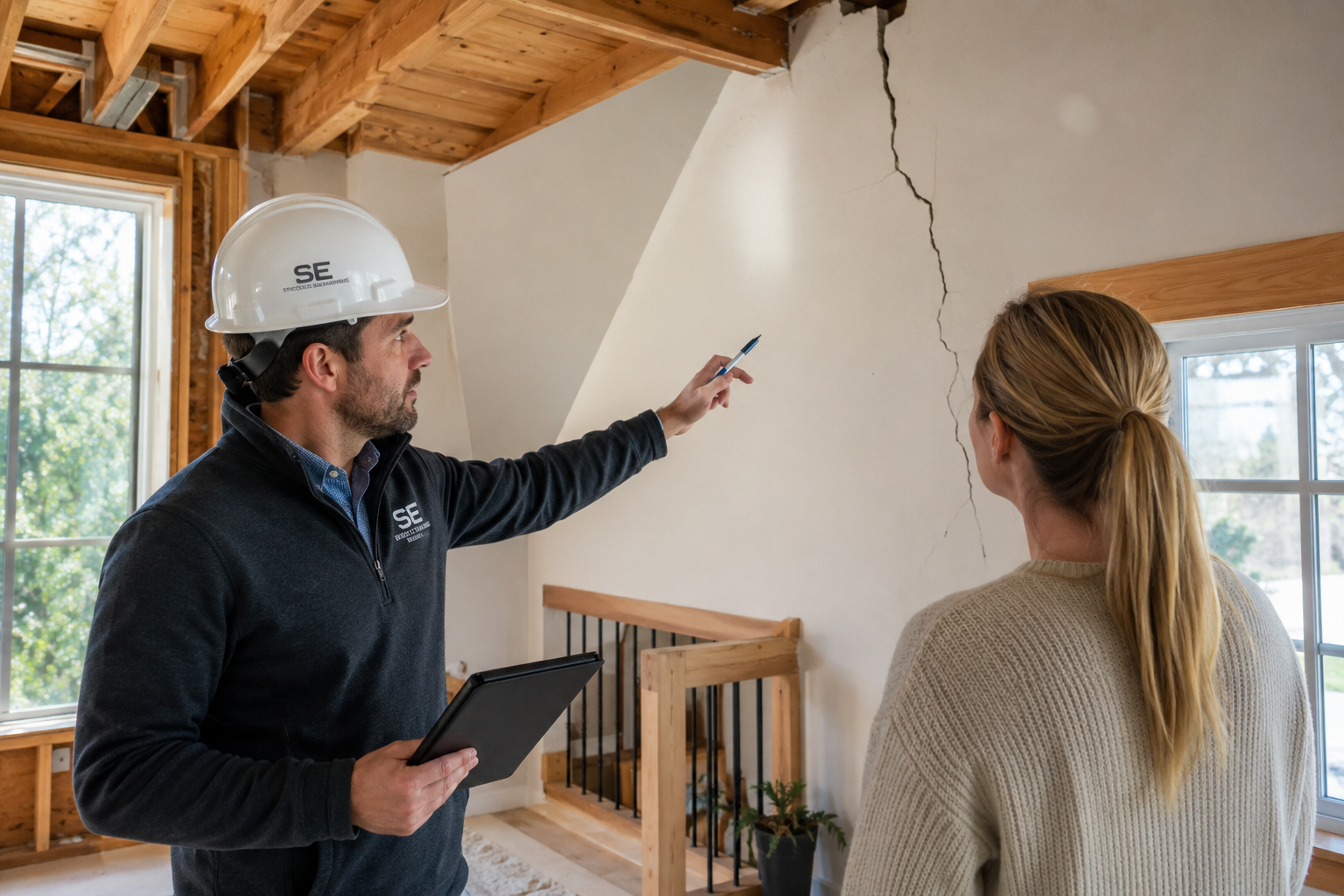
Look for swollen edges, a soft or crumbling gypsum core, sagging panels, separating paper and seams that have opened. These conditions can make the board unsuitable for a cosmetic repair even after moisture levels fall. Paint cannot restore a damaged core, and a skim coat can conceal an unstable surface without resolving it. Photograph visible changes from a safe position so the contractor can compare the affected area with surrounding material.
Ceilings need particular care because saturated material can fall. Keep people away from sagging or bulging sections. Do not stand beneath them, puncture them or attempt to support them with furniture. Water near lights, wiring or other electrical equipment also needs a safe assessment before anyone opens the assembly.
When Drying In Place May Be Considered
The EPA’s clean-water guidance allows some wallboard to be dried in place when swelling is absent and seams remain intact. That is a conditional option, rather than permission to retain every stained panel. The wall cavity still needs consideration, including whether insulation holds moisture or the assembly prevents effective drying. A professional should explain why the retained material is suitable and how its condition will be checked.
Drying in place can preserve an undamaged finish, but convenience should not decide the outcome. Ask whether the wet area has been mapped, whether concealed layers can be assessed and what would trigger selective removal. The proposed approach should also account for any previous leak in the same location.
Assess The Cavity Before Closing It
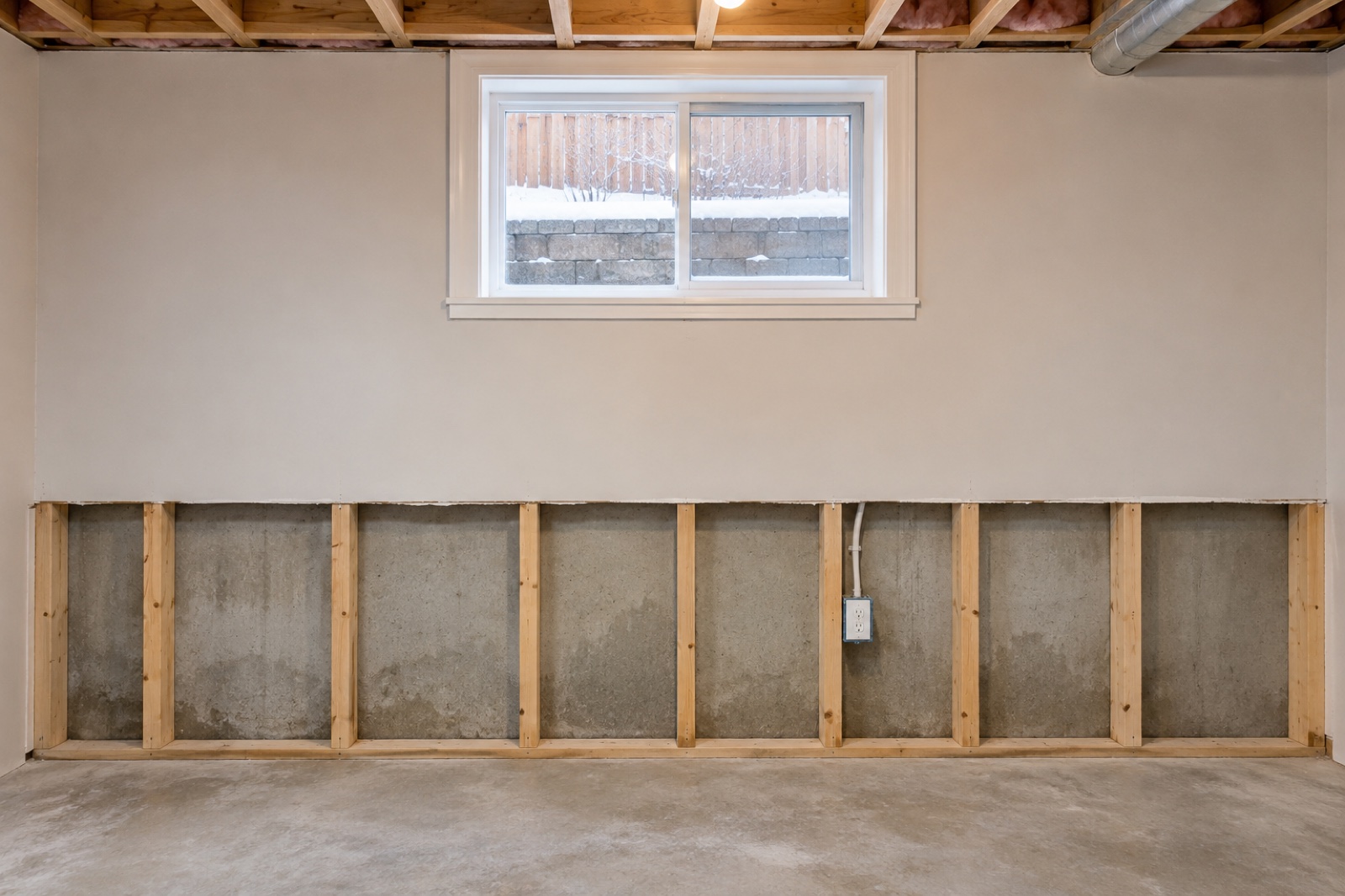
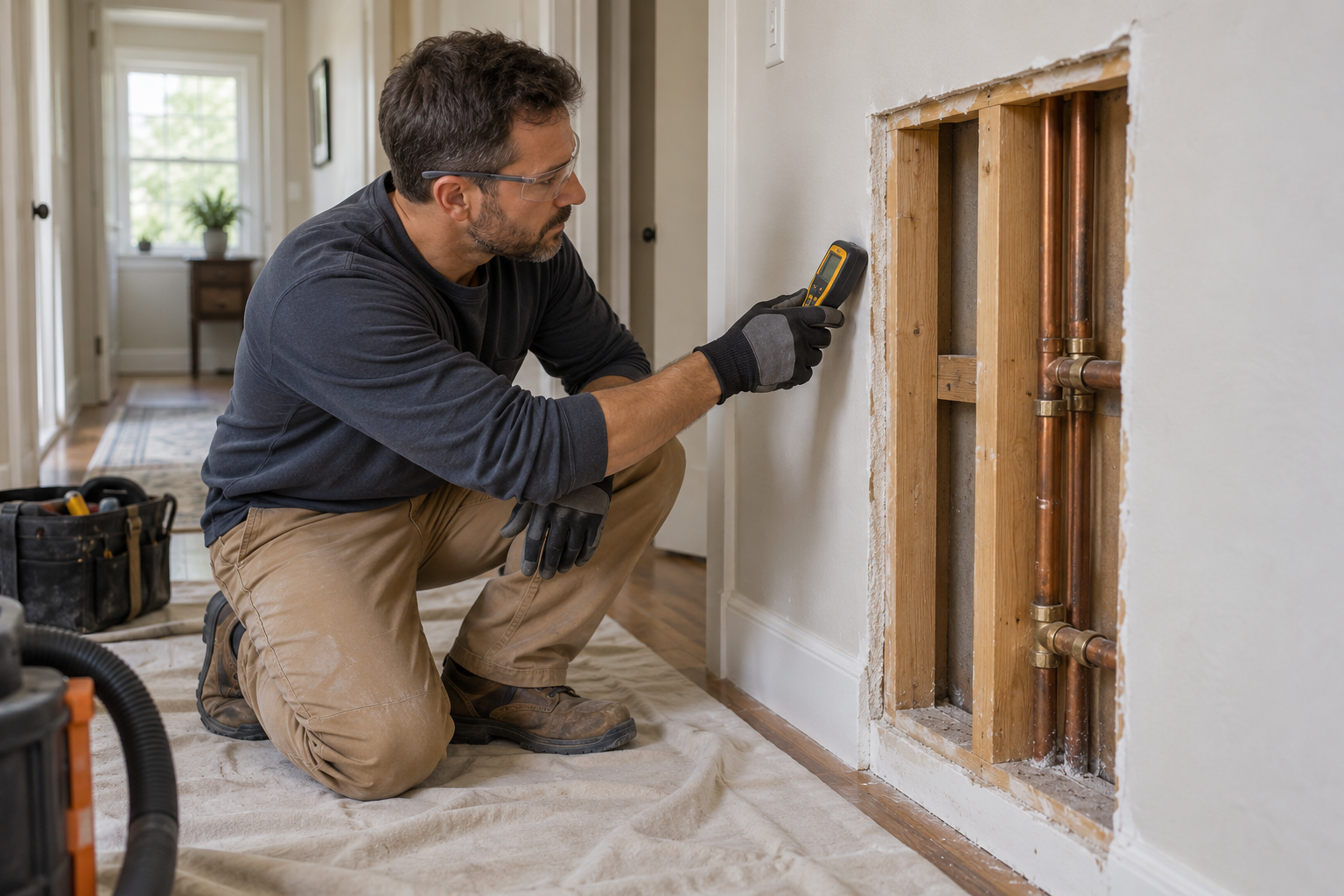
Water can run behind baseboards and collect at the bottom of a wall while the original leak appears higher up. A narrow stain may therefore sit above a wider affected area. Where an opening is necessary, the contractor can inspect the back of the board, framing and insulation and determine the appropriate repair boundary. There is no universal height that every water-damaged wall must be cut to.
Keep investigation and rebuilding in the right order. Coordinate the moisture assessment with the drywall scope, and have electrical concerns handled by the appropriate professional. Older finishes or materials may also require hazardous-material assessment before disturbance. Avoid starting demolition solely to discover whether the wall is still wet.
Connect Drywall Repair With The Restoration Work
Drywall finishing is one stage in a larger recovery process. Edmonton Water Damage Restoration provides an external overview of water damage restoration that can help explain why removing water, assessing materials and rebuilding finishes are separate tasks. For the affected property, ask the appointed contractors to agree on the drying and repair handover before new board is installed.
A useful handover identifies the affected rooms, retained materials, removed sections and any restrictions that remain. It should explain what has been checked and who is responsible for outstanding work. An empty room and a completed equipment pickup do not, by themselves, tell a drywall installer that every concealed surface is ready to cover.
Plan A Repair That Matches The Existing Wall
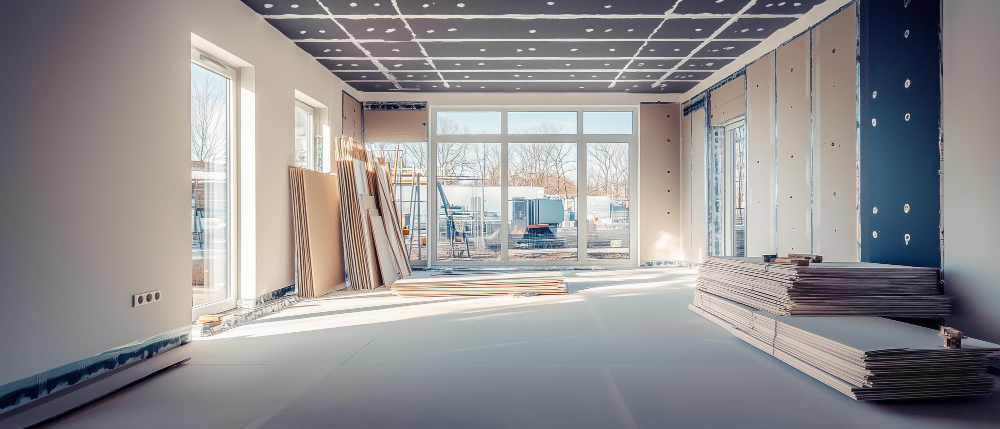
Once the assembly is suitable for rebuilding, specify the correct board thickness and type, the extent of insulation replacement and the finishing standard. A wall with a fire or sound function may need its original assembly restored. The contractor should establish those requirements before treating the opening as an ordinary decorative patch.
Discuss transitions at corners, trim and textured surfaces. A small opening can require a larger finishing area to blend the repair properly. Ask whether the proposal includes tape, compound, sanding, primer, paint and trim reinstatement. Clear scope helps prevent the final visit ending with a sound patch but unfinished surfaces around it.
Questions To Ask Before Approving The Work
Use a brief checklist to compare the proposed repair with the actual findings. The answers should concern this wall, rather than a generic promise that everything will look new.
- What caused the water release, and is that source resolved?
- Which panels can remain, and what supports that decision?
- What concealed materials need inspection or replacement?
- Who confirms readiness before the cavity is closed?
- Which finishing and reinstatement tasks are included?
Before work begins, discuss dust control, access and protection of furnishings. Ask which rooms will be unavailable during removal and finishing, and how occupants will receive updates. These practical arrangements help the repair proceed without relying on improvised decisions once the wall is open.
Common Questions About Wet Drywall
Can A Water Stain Simply Be Painted Over?
Only after the moisture source, material condition and drying needs have been addressed. Stain-blocking primer may form part of the finishing work, but it is not a moisture treatment. If the board is soft, swollen or separating, ask for an assessment of replacement rather than concealing the damage.
Does Every Damp Wall Need Full Removal?
No. Selective retention or removal depends on the water source, damage and assembly. Ask the contractor to document the proposed boundary and its reason. A sound panel affected briefly by clean water may be approached differently from a contaminated or deteriorated section.
When Should The Drywall Contractor Be Booked?
Arrange the scope early enough to coordinate access and materials, then schedule closure around the actual restoration findings. Keep unresolved source repairs and moisture concerns visible in the work order. That coordination gives the installer a clear starting condition and reduces the risk of reopening a newly finished wall.
Easy steps to create a color palette
Lorem ipsum dolor sit amet, consectetur adipiscing elit lobortis arcu enim urna adipiscing praesent velit viverra sit semper lorem eu cursus vel hendrerit elementum morbi curabitur etiam nibh justo, lorem aliquet donec sed sit mi dignissim at ante massa mattis.
- Neque sodales ut etiam sit amet nisl purus non tellus orci ac auctor
- Adipiscing elit ut aliquam purus sit amet viverra suspendisse potent
- Mauris commodo quis imperdiet massa tincidunt nunc pulvinar
- Excepteur sint occaecat cupidatat non proident sunt in culpa qui officia
What is a color palette?
Vitae congue eu consequat ac felis placerat vestibulum lectus mauris ultrices cursus sit amet dictum sit amet justo donec enim diam porttitor lacus luctus accumsan tortor posuere praesent tristique magna sit amet purus gravida quis blandit turpis.

Don’t overspend on growth marketing without good retention rates
At risus viverra adipiscing at in tellus integer feugiat nisl pretium fusce id velit ut tortor sagittis orci a scelerisque purus semper eget at lectus urna duis convallis porta nibh venenatis cras sed felis eget neque laoreet suspendisse interdum consectetur libero id faucibus nisl donec pretium vulputate sapien nec sagittis aliquam nunc lobortis mattis aliquam faucibus purus in.
- Neque sodales ut etiam sit amet nisl purus non tellus orci ac auctor
- Adipiscing elit ut aliquam purus sit amet viverra suspendisse potenti
- Mauris commodo quis imperdiet massa tincidunt nunc pulvinar
- Adipiscing elit ut aliquam purus sit amet viverra suspendisse potenti
What’s the ideal customer retention rate?
Nisi quis eleifend quam adipiscing vitae aliquet bibendum enim facilisis gravida neque euismod in pellentesque massa placerat volutpat lacus laoreet non curabitur gravida odio aenean sed adipiscing diam donec adipiscing tristique risus amet est placerat in egestas erat.
“Lorem ipsum dolor sit amet consectetur adipiscing elit, sed do eiusmod tempor incididunt ut labore et dolore magna aliqua enim ad minim veniam.”
Next steps to increase your customer retention
Eget lorem dolor sed viverra ipsum nunc aliquet bibendum felis donec et odio pellentesque diam volutpat commodo sed egestas aliquam sem fringilla ut morbi tincidunt augue interdum velit euismod eu tincidunt tortor aliquam nulla facilisi aenean sed adipiscing diam donec adipiscing ut lectus arcu bibendum at varius vel pharetra nibh venenatis cras sed felis eget.